Is there an existing grease trap?
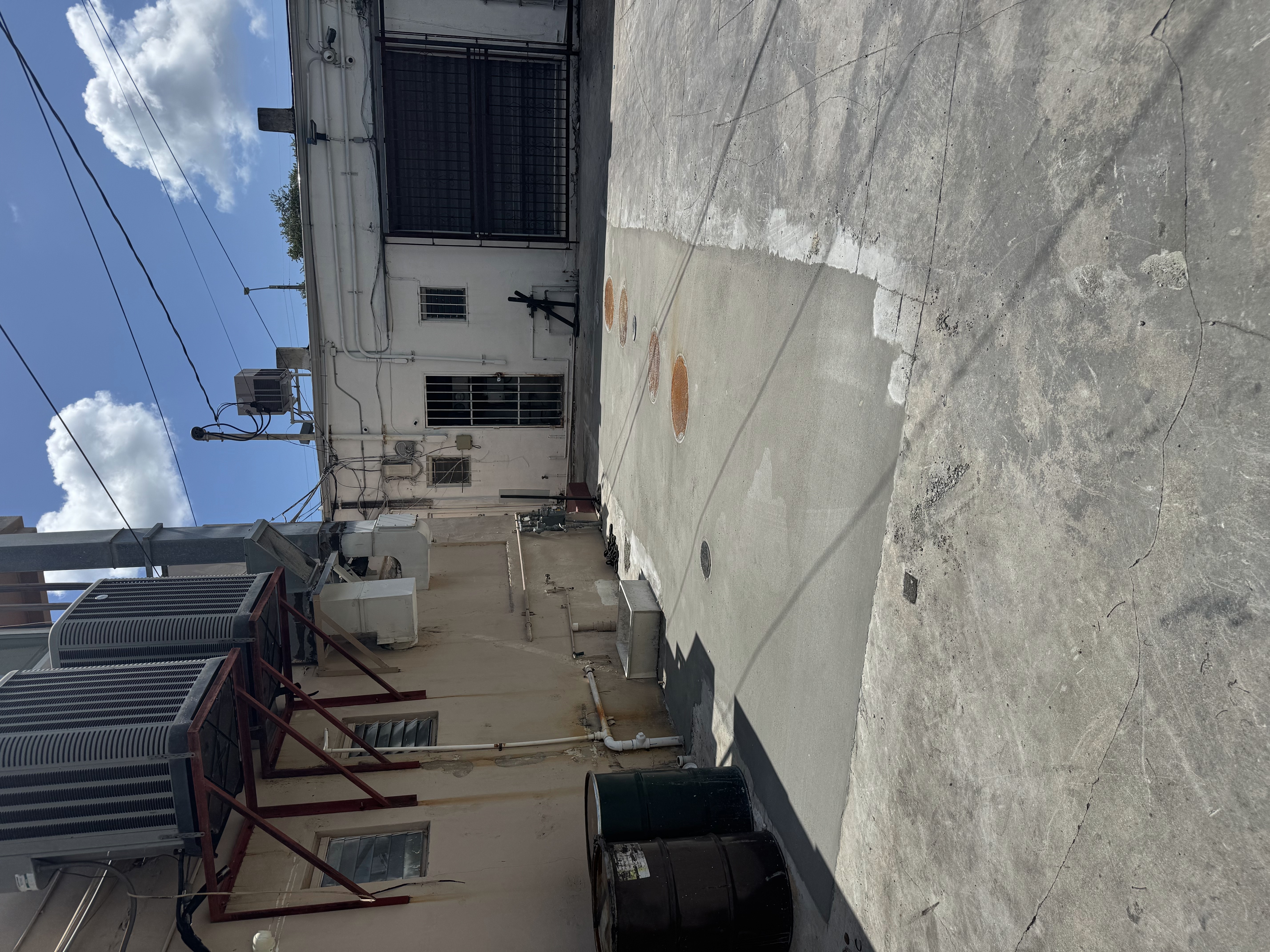
Confirm whether the site has a grease interceptor, where it is located, and whether it can be safely inspected or serviced.

Restaurant Lease Due Diligence
A restaurant lease can look attractive until the grease interceptor problem appears. Genesis Prime Group helps restaurant tenants, landlords, and project teams review grease trap risk before buildout assumptions become commitments.
Why Due Diligence Matters
A space may have a previous food-service history, a visible kitchen area, or landlord assurances that make the grease trap issue feel settled. Those signals are useful, but they do not prove the existing grease interceptor is correctly sized, accessible, serviceable, permitted for the intended use, or practical to reuse.
Genesis Prime Group's due diligence support focuses on technical and construction risk. It does not replace legal, financial, or lease counsel. Instead, it gives the tenant and project team a clearer view of grease trap questions that can affect design, permitting, construction cost, schedule, and operating readiness.
The earlier those questions are reviewed, the easier it is to negotiate responsibility, budget realistically, revise the layout, or decide that a space is not a good fit for the proposed restaurant concept.
Before Signing
Confirm whether the site has a grease interceptor, where it is located, and whether it can be safely inspected or serviced.
Look for access issues, damage, settlement, corrosion, missing lids, poor routing, or signs of frequent maintenance problems.
A prior restaurant use does not automatically match a new menu, fixture plan, operating volume, or dishwashing approach.
The lease should be reviewed by the business and legal team for who is responsible for replacement, upgrades, access, and restoration.
Replacement may involve excavation, utility tie-ins, traffic control, concrete or pavement restoration, and landlord coordination.
Municipal and County requirements can affect sequencing. Miami-Dade FOG requirements should be reviewed for County projects.
Evidence To Collect
If the site appears viable, the next step may be a more complete existing-system evaluation, preliminary grease trap sizing review, or permitting coordination. If the existing device is not suitable, the project team can compare replacement options before committing to a layout or lease position.
Red Flags
If nobody can produce tank size, location, prior permits, pump records, or as-built information, the tenant should assume more investigation is needed.
Lids under storage, locked areas, damaged pavement, or shared tenant areas can make pumping and inspection harder than the lease budget expects.
A former cafe, bakery, or light food-service tenant may not represent the demand of a full-service restaurant, commissary, or high-volume takeout kitchen.
If the lease does not clearly address repairs, upgrades, replacement, restoration, permits, and maintenance access, the technical problem can become a business dispute.
Review the Site Early
Calculator and quote links on this page retain the Phase 2A attribution hooks for measurable follow-up.